 PickySprout
Organic Pest Control for Patio Container Gardens
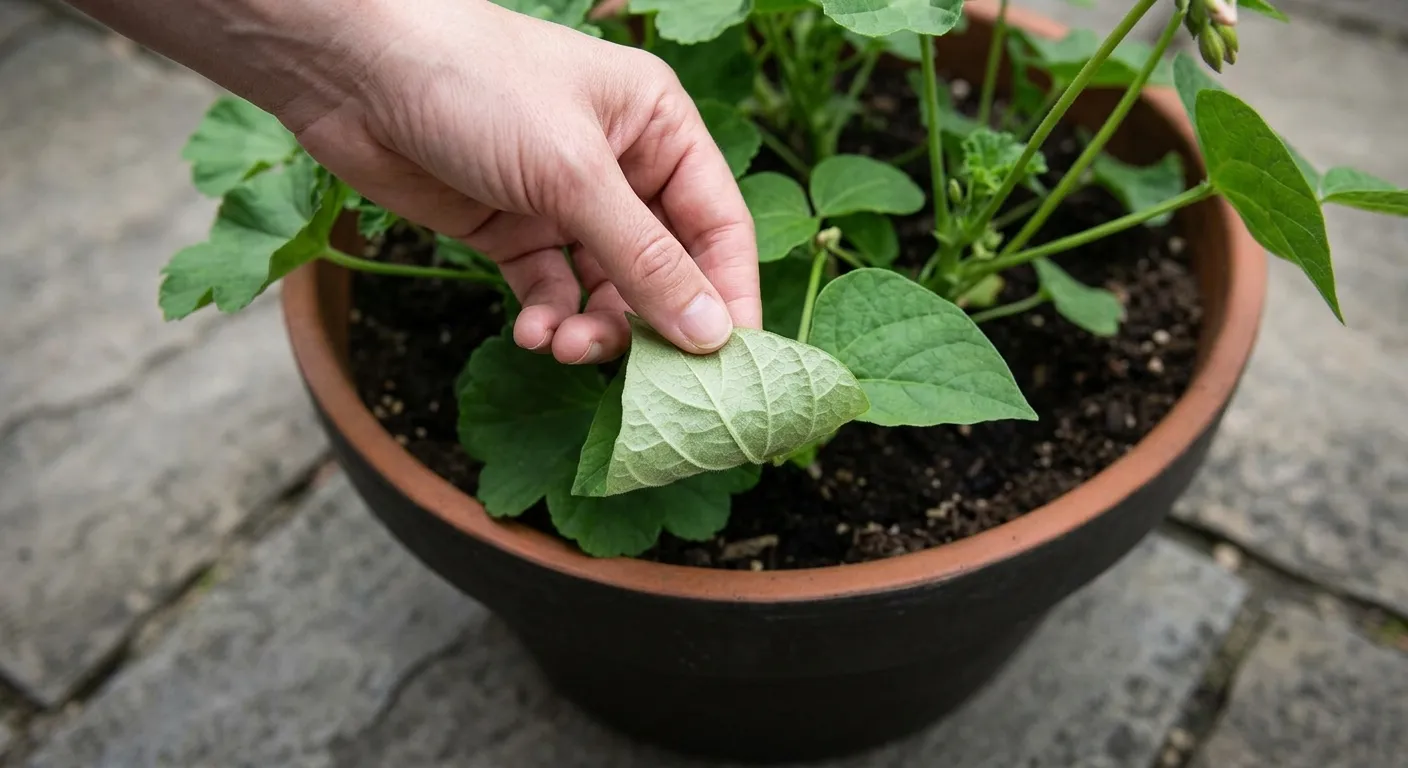
Patio containers sit closer together than an in-ground garden, which makes a pest problem on one plant spread to its neighbors faster than you’d expect. Catching an infestation early — before it’s visible from across the patio — is most of the battle, and it starts with knowing what to actually look for.
The pests you’ll actually see
- Aphids: small, soft-bodied, often clustered on new growth and the undersides of leaves; look for a sticky residue (honeydew) on leaves below the cluster
- Spider mites: hard to see individually, but fine webbing between leaves and stems plus stippled, faded-looking leaves are the giveaway — they thrive in hot, dry conditions, which describes most patios in summer
- Whiteflies: tiny white insects that scatter in a small cloud when you brush a plant; check the undersides of leaves where they cluster and lay eggs
Organic treatment options
- Insecticidal soap: effective against soft-bodied pests like aphids and whiteflies on contact; needs to actually hit the insect, so spray the undersides of leaves, not just the tops
- Neem oil: broader-spectrum and also disrupts pest reproduction, but breaks down in sunlight — apply in the evening for it to have time to work before UV degrades it
- Manual removal: for a small, early infestation, a strong jet of water or just picking pests off by hand is often enough on its own — don’t reach for a spray before trying this first
- Companion planting: interplanting basil, marigolds, or garlic among vulnerable plants (see companion planting for patio containers) can reduce how often pests find a plant in the first place
Prevention beats treatment
Inspect new plants closely before adding them to the patio — a single infested nursery plant is the most common way pests get introduced to an otherwise clean container garden. Avoid crowding containers so tightly that airflow is cut off, and avoid overwatering; both create the humid, stagnant conditions that let pests (and fungal disease) establish before you notice anything wrong.