 PickySprout
Best Organic Fertilizer for Small Raised Beds
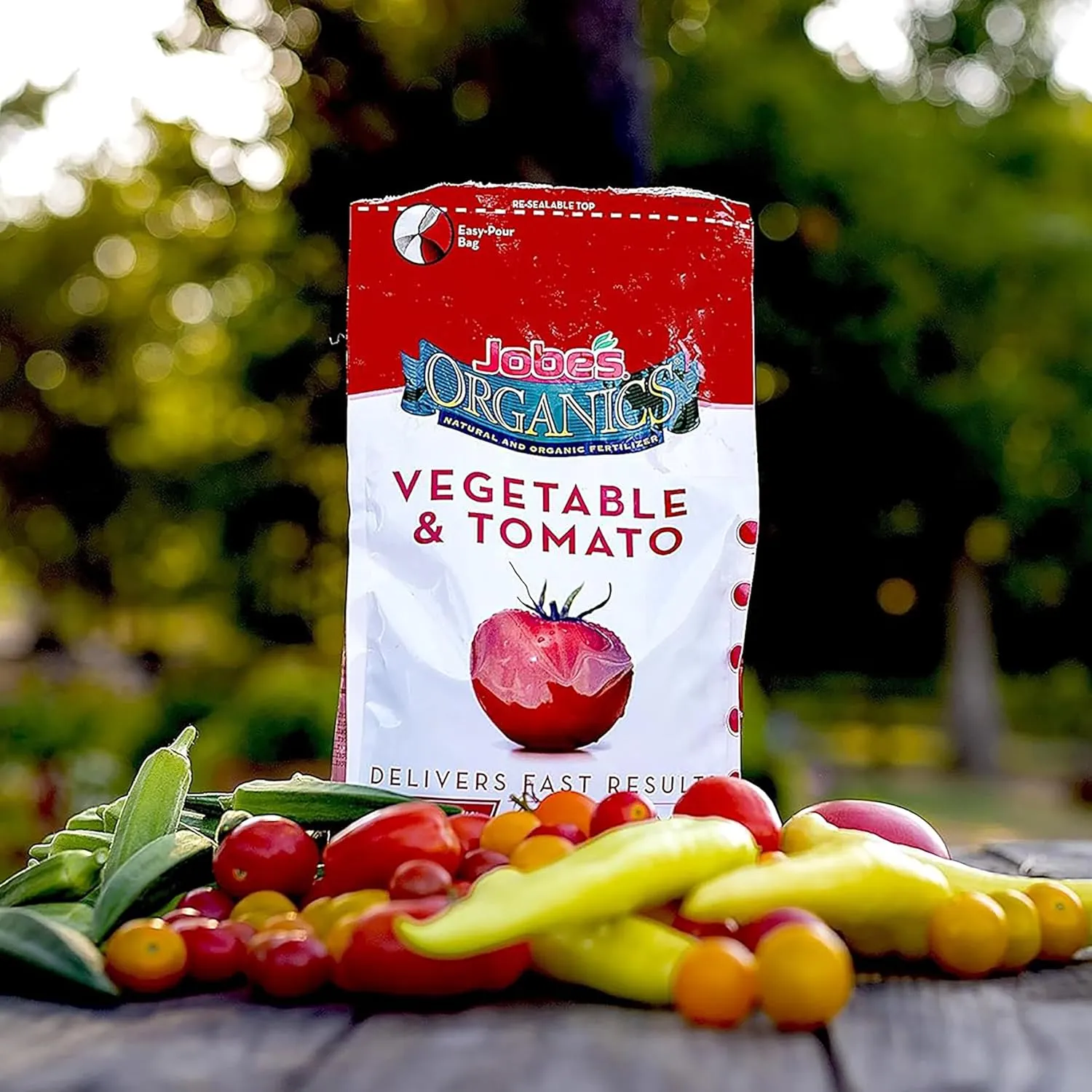
Raised beds drain faster than garden soil, which also means nutrients wash out faster with every watering. A fertilizer built for raised beds accounts for that turnover, rather than assuming the slow release you’d get from denser, less-amended ground soil — using a generic all-purpose fertilizer sized for open garden beds tends to underfeed a raised bed without you ever quite realizing why growth is lagging.
What we looked for
- OMRI-listed organic formulations, not synthetic blends, both for the slower nutrient release and to avoid the salt buildup synthetic fertilizers can leave in a small, contained volume of soil
- A feeding schedule matched to a single small bed, not a full farm plot — several products we screened out were priced and packaged for acreage, awkward and wasteful for a 4-by-8 raised bed
- Reasonable cost per application for a bed under 50 square feet, since a bag priced for a large operation often needs storing (and can degrade) for a year or more before a small bed uses it up
- A balanced NPK ratio suited to mixed vegetable beds, rather than a formula tuned narrowly for one crop type
Our pick: All-Purpose Organic Raised Bed Fertilizer
For a small raised bed, look for an OMRI-listed, granular, all-purpose organic fertilizer with a balanced NPK ratio. Granular formulas are easy to work into the top few inches of soil by hand with no mixing or diluting required, and a bag sized for home gardens — not acreage — typically covers a full season of feeding for a 4-by-8 bed.
It’s priced a bit higher per pound than a generic synthetic blend, but for a bed this size the actual cost difference per application is small, and organic formulations avoid the salt buildup synthetic fertilizers can leave behind in a raised bed’s limited soil volume. If odor is a concern, check reviews before buying — some organic blends, fish-emulsion- based ones especially, have a much stronger smell than others, which matters if you’re feeding a bed near a patio or window.
Reading the NPK number on the bag
The three numbers on any fertilizer label are nitrogen, phosphorus, and potassium by percentage, in that order. A balanced ratio like 4-4-4 or 5-5-5 suits general mixed vegetable beds well, since most crops need all three roughly evenly through the season. A lopsided ratio is a sign a formula is tuned for something specific — high-nitrogen formulas push leafy growth and suit greens more than fruiting crops, while formulas weighted toward phosphorus and potassium favor flowering and fruit set, useful once tomatoes or peppers start setting fruit rather than earlier in the season. Organic fertilizers generally carry lower NPK numbers than synthetic ones for the same bag size, which isn’t a weakness — it reflects slower, steadier nutrient release rather than a less concentrated product.
Organic vs. synthetic: the actual tradeoff
Synthetic fertilizers deliver nutrients immediately and precisely, which suits container gardeners who want fast, visible results and don’t mind reapplying more often. The tradeoff is a real risk of salt buildup in a raised bed’s fixed, non-draining-into-a-larger-water-table soil volume, which can damage roots over repeated seasons if over-applied. Organic, OMRI-listed formulas release more slowly as soil microbes break them down, which is gentler on soil structure long-term and better suited to a bed you intend to keep productive for years rather than one season.
Cost per season, not per bag
A single bag of granular organic all-purpose fertilizer typically costs more upfront than a comparable synthetic bag, but covers a 4-by-8 raised bed for a full growing season with just two or three applications. Priced per application rather than per bag, the actual cost difference between organic and synthetic options narrows considerably — worth factoring in before assuming the higher shelf price makes organic the more expensive choice overall.
When a different formula makes more sense
A bed growing mostly leafy greens (lettuce, spinach, herbs) benefits more from a higher-nitrogen formula than the balanced all-purpose blend recommended above, and a bed dedicated entirely to fruiting crops like tomatoes does better switching to a bloom-boosting formula once flowering starts. An all-purpose balanced fertilizer is the right default for a typical mixed vegetable bed, but a single-crop or specialty bed is worth matching to a more targeted formula instead.