 PickySprout
Mulching Basics for a Small Yard Garden
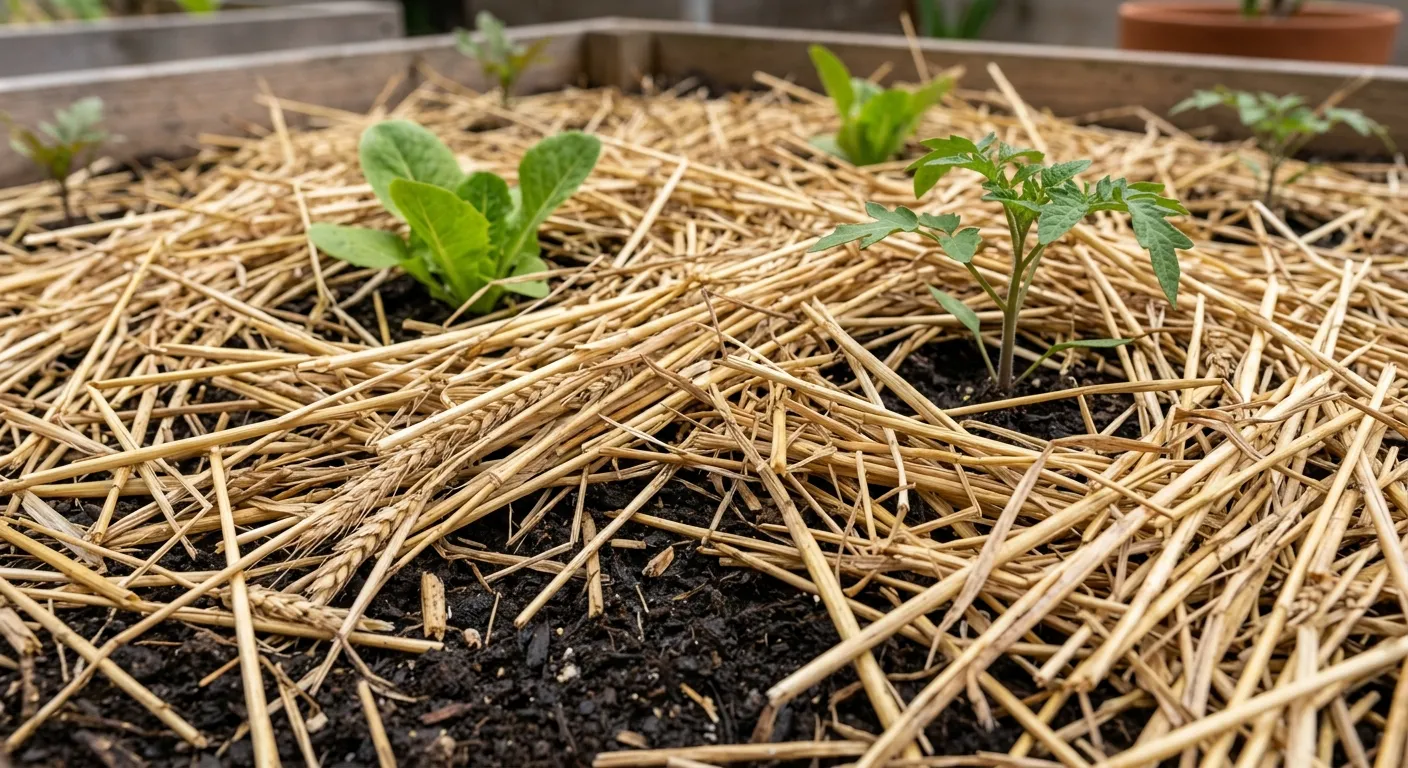
Mulch does three jobs at once — holding soil moisture, suppressing weeds, and moderating soil temperature — which makes it one of the highest-value, lowest-effort things you can do for a small yard garden. The most common mistake isn’t skipping mulch entirely, it’s using the wrong type for the job or piling it against plant stems.
Picking a mulch type
- Straw: lightweight, breaks down over a season, and is the standard choice around vegetables — cheap and easy to source in reasonable quantities for a small bed
- Wood chips: longer-lasting and better suited to paths and around perennials than annual vegetable beds, since they tie up nitrogen as they break down right where you’d want it feeding this year’s crop
- Shredded leaves: essentially free if you have deciduous trees nearby, and breaks down into good organic matter — just shred them first, since whole leaves mat down and block water from reaching the soil
How much and where
Apply about 2-3 inches deep — thinner doesn’t suppress weeds effectively, and much thicker can hold too much moisture against the soil surface. Keep mulch pulled back an inch or two from plant stems; mulch piled directly against a stem traps moisture there and invites rot and pests that wouldn’t otherwise reach the plant.
Timing
Apply mulch after the soil has warmed in spring, not before — mulch insulates the soil at whatever temperature it already is, so mulching too early just keeps cold soil cold for longer and can slow seed germination and early growth. Top it up mid-season as it breaks down, and add a fresh layer in fall around perennials to help protect roots over winter.