 PickySprout
Best Grow Lights for Windowsill Gardens
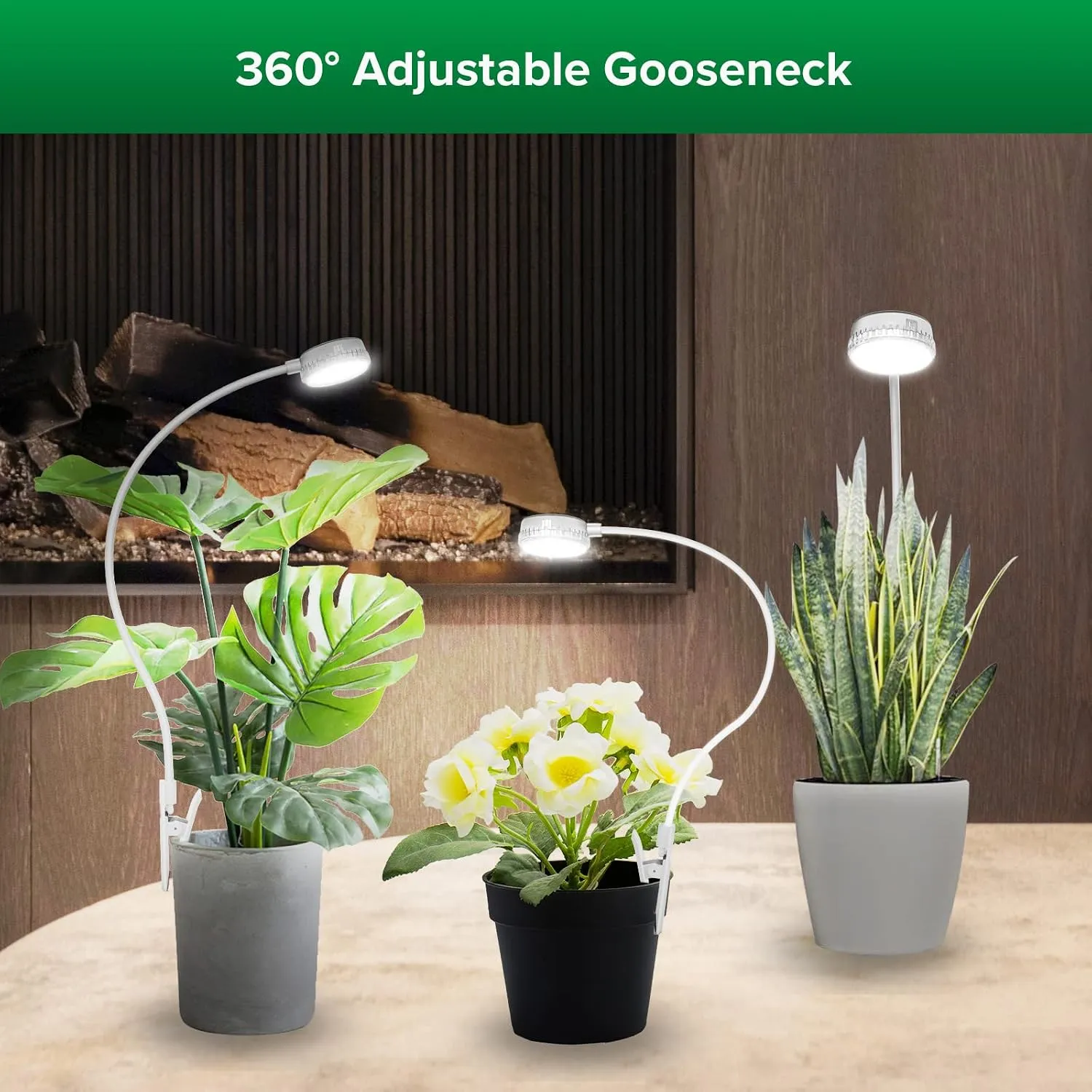
A windowsill alone rarely provides enough light through a full winter, even in a bright room — window glass filters a meaningful chunk of usable light, and short winter days cut the available hours on top of that. A small supplemental grow light closes that gap without taking over the room the way a full grow-tent setup would.
What we looked for
- Full-spectrum LEDs rather than cheap red/blue-only strips, which give plants a garish look and, more importantly, a narrower slice of the light spectrum than most herbs actually use for healthy growth
- A clip or clamp mount that doesn’t need a dedicated stand — windowsills are tight real estate, and a light that needs its own footprint defeats the point
- A built-in timer, since consistent daily light matters more than raw intensity; a bright light run inconsistently underperforms a dimmer one run on a steady schedule
- Genuinely quiet operation — a couple of budget models we ruled out during initial screening had audible driver hum, unpleasant in a kitchen or bedroom windowsill setup
Our pick: Compact Clip-On LED Grow Light
For a windowsill setup, look for a clip-on or clamp-mount LED grow light with full-spectrum output and a built-in timer. Full-spectrum LEDs cover more of the light range herbs actually use than cheap red/blue-only strips, and a built-in timer means you don’t have to remember to turn it on and off every day. Quiet operation is worth checking in reviews too — some budget models have an audible driver hum that’s noticeable in a kitchen or bedroom windowsill setup.
One thing to check before buying: clip mounts vary in how well they grip different surfaces. Most work well on a standard windowsill ledge or shelf edge, but can struggle on a rounded railing, so match the mount style to your actual mounting surface.
Making sense of grow light specs
Wattage on its own is a poor way to compare grow lights, since it measures power draw, not usable light output — a well-designed 10-watt LED fixture can outperform a poorly designed 20-watt one. Look instead for PAR (photosynthetically active radiation) or PPFD figures where a listing provides them, which describe the specific light range plants actually use for growth. Color temperature, listed in Kelvin, matters too: fixtures in the 5000-6500K range mimic daylight and suit general-purpose herb growing, while lights skewed heavily toward the red end are typically marketed for flowering houseplants rather than culinary herbs.
Price tiers
Basic clip-on LED grow lights start under $20 and cover a single small pot adequately, though often without a timer, meaning you’ll need to turn them on and off manually or add a separate smart plug. Mid-range options in the $25-40 range typically add a built-in timer and a wider, more even light spread across several pots. Larger multi-head or full-spectrum panel lights above that price point suit a wider windowsill or a small dedicated growing shelf better than a single-pot herb setup.
How long to run it each day
Most culinary herbs do well with 12-14 hours of supplemental light daily during the darker months, close to what they’d get from a strong summer day — running a light for just an hour or two makes little difference, since total daily light accumulation, not just having some light at all, is what drives compact growth. A timer removes the guesswork and the risk of forgetting, which is the main reason it’s worth paying more for one built in rather than manually flipping a switch.
Who doesn’t need one
If your herbs already show short, compact growth with leaves close together and no stretching toward the glass, a grow light is solving a problem you don’t have — extra light on an already-thriving plant mostly just runs up your electricity bill. Save the purchase for herbs that are visibly leggy or thin, or for windows that test poorly on a light meter during the shortest days of the year.